Student and Faculty Research

NeuroEngineering Research--Faculty Pages
Research opportunities in neuroengineering are very diverse, due to the interdisciplinary nature of the research pursued by all the participating faculty. For organization, researchers have been grouped into several major themes and areas of concentration as follows.

Research Areas : Faculty List

Clearly, this is not an exhaustive list of research topics. This thematic reduction has been made to assist students in identifying research faculty and course work focus. However, many students' research projects can be categorized by more than one area; therefore, students commonly ask for guidance from two or more faculty members in these overlapping areas. For example, Dr. Thakor's students doing research on Neural Signal Processing and Instrumentation for monitoring brain injury are also trained in Neural Signal Processing and receive advice from Drs. Geocadin and Hanley, who are both neurologists in the Clinical Neuroengineering theme. Dr. Young's students working on the neural encoding of hearing may perform research in the Computational Neurosciences and Systems Neurosciences. Dr. Shadmehr's advisees studying motor control in Parkinson's disease may get guidance and support from Dr. Lenz, a neurosurgeon. A student working with the faculty in Neural Instrumentation may be guided by faculty in Electrical Engineering and Biomedical Engineering, while focusing on research in Instrumentation and Systems Neurosciences.


Research Summaries

Andreas G. Andreou, Ph.D.

Professor, Electrical Engineering (Homewood Campus)

Sensory Communication and Microsystems Laboratory


Email: andreou@jhu.edu
Personal Website


Dr. Andreou's research program examines the relationship between information and its physical representation in both biological and in human engineered information processing systems. His laboratory also developed hybrid microsystems for bio-sensing and polarization imaging. Joseph Lin, a doctoral student in the lab, is currently working on event based architectures for cortical models of neural computation and single photon avalache diode (SPAD) imagers for in vivo and in vitro fluorescence imaging. Another student in the lab, Andrew Cassidy, has developed efficient digital architectures for neural computation. These fine-grainedparallel architectures leverage state-of-the-art developments in digital integrated circuit technology in order to implement cortical neural algorithms (e.g. audition) with both high performance and efficiency.


Amy Bastian, Ph.D., PT

Associate Professor, Neurology, Neuroscience, Physical Medicine and Rehabilitation (JHMI)


Motion Analysis Laboratory, Kennedy Krieger Institute

Email: bastian@kennedykrieger.org
Personal Website

 
Dr. Bastian's group is focused on understanding how complex movements are normally learned and controlled, and how damage to specific brain areas impairs these processes. They also work towards devising rationale rehabilitation approaches based on our understanding of these issues. Trainee Nasir Bhanpuri has developed an experiment to determine to what extent the cerebellum updates an internal model of the body's dynamics. In doing so, he intends to develop novel robotics to expedite the rehabilitation of patients suffering from ataxia due to cerebellar damage. Laura Malone is currently doing her rotation in Dr. Bastian's lab to learn more about the neural processes underlying the adaptation to walking perturbations, and if there is an optimal training method for rehabilitation.


Gregory K. Bergey, M.D.

Professor, Neurology (JHMI)


Epilepsy Research Laboratory

Email: gbergey@jhmi.edu
Personal Website


Dr. Bergey is the Director of the Epilepsy Research Laboratory. In addition to collaborative efforts with other members of the Epilepsy Research Laboratory (Frananszczuk, Jouny, and others), Dr. Bergey is working on analyses of signal dynamics recordings from intracranial recordings of epileptic seizues from patients undergoing presurgical evaluations for medically intratable epilepsy. These time-frequency and complexity measurements when applied to single channels can provide detailed analyses of seizure dynamics. Opportunities exist for the trainees to learn these techniques of signal analysis, but also to do innovative studies on patterns of seizure onset, propagation and termination.


Dana F. Boatman, Ph.D., CCC-A

Professor, Neurology and Otolaryngology (JHMI)


Auditory Neurophysiology Clinic and Lab

Email: dboatma@jhmi.edu
Personal Website

Dr. Boatman is a clinical neurophysiologist and audiologist whose research focuses on the spatial and temporal dynamics of cortical sound processing in the normal and neurologically impaired human brain. Her laboratory conducts cortical mapping and modeling studies of complex sound processing in patients with epilepsy using behavioral, neurophysiologic and statistical modeling methods. She collaborates with Dr. Crone in Neurology and is currently discussing a new collaboration with Dr. Thakor involving an interested BME student.


 Noah J. Cowan, Ph.D. 

Associate Professor, Mechanical Engineering (Homewood)

Laboratory for Computational Sensing and Robotics (LCSR) 

Email: ncowan@jhu.edu
Personal Website 


Biologists often describe sensorimotor control tasks in terms of a sensory goal (e.g., to maintain a desired heading a fly stabilizes optic flow). A more salient question from a control point of view is how the nervous system processes deviations from this sensory goal to alter motor output (wing motions in the case of the fly) to reach the desired state. To answer this question, Dr. Cowan's research exploits the goal-directed nature of sensorimotor stabilization behaviors via system identification: perturbations lead to transient error signals that expose the task-level dynamics. We then parse these dynamics into constituent subsystems, identifying experimentally the contributions of the sensorimotor transform (the controller) versus those of the natural dynamics of the neuromechanical machine (the plant). Finally, we collaborate with electrophysiologists to discover the neural mechanisms that underly these sensorimotor control systems. We examine these control systems in a wide variety of systems, including humans and other primates, electric fish, fruit flies, cockroaches, and moths.
 

Nathan E. Crone, M.D.

Associate Professor, Neurology (JHMI)


The Cognitive Neurophysiology Laboratory

Email: necrone@jhmi.edu
Personal Website


Dr. Crone's Cognitive Neurophysiology Laboratory is developing electrocorticographic (ECoG) spectral analysis as a method for mapping brain function in real time, in order to minimize functional deficits during brain surgery for epilepsy. These methods are also being applied to noninvasive EEG recordings in normal subjects to study the brain mechanisms of human language and other higher cognitive functions. A major focus is the application of advanced signal processing algorithms (e.g. matching pursuit, modified directed transfer function) to study the event-related dynamics of cortical network activity during experimental cognitive tasks.


Charley Della Santina, M.D. Ph.D.

Associate Professor Otolaryngology, Biomedical Engineering (JHMI)

Vestibular NeuroEngineering Laboratory

Email: charley.dellasantina@jhu.edu
Personal Website

  
Dr. Della Santina's laboratory is focused on the development of a novel, state-of-the-art prosthesis for restoration of function to the vestibular labyrinth (inner ear balance sensors). The current focus is on design refinement, testing and application of vestibular nerve prosthesis. This research combines multiple facets of neuroengineering, including design of implantable electronic devices, identification of the prosthetically-evoked vestibulo-ocular reflex, optimization of stimulus parameters, finite element modeling of current flow in the implanted labyrinth. One program trainee, Natan Davidovics, has joined Dr. Della Santina's lab and expects to continue there to complete a dissertation focused on development of an automated approach to stimulus optimization in the vestibular prosthesis.


Mounya Elhilali, Ph.D. 

Professor, Electrical Engineering (Homewood)
  

Center for Language and Speech Processing 

Email: 
mounya@jhu.edu
Personal Website


 Dr. Elhilali's laboratory examines the neural and computational bases of auditory and speech perception in everyday acoustic environments. The overarching goal of the research is: (1) building biologically-plausible models to understand the processes underlying the brain's ability to detect, identify and classify sound objects and their applications in speech technologies and hearing systems; (2) understanding the role of top-down adaptive processes of attention, expectations and contextual information in guiding sound perception; (3) ultimately, developing truly autonomous systems that can hear, interact and learn from the environment, and make decisions. The tools used for this research include signal processing and algorithmic modeling in addition to perceptual psychoacoustics and imaging experiments with human subjects.
 

Ralph Etienne-Cummings, Ph.D.

Professor, Electrical Engineering (Homewood)


Computational Sensory-Motor Systems Laboratory

Email: retienne@jhu.edu
Personal Website


Ralph Etienne-Cummings designs Very Large Scale Integration (VLSI) circuits for sensory information processing in robotics control. His work focuses on embedded mixed analog and digital signal processing at or near the sensor. His methodology borrows heavily from biological systems to realize extremely efficient engineering systems. More recently he has been applying these tools to the development of prosthetic devices, in particular for spinal cord injuries and artificial limbs. One of senior trainees, Francesco Tenore, en Electrical Engineering graduate, supervised jointly with Dr. Thakor in BME, worked on the development of neural prosthesis.


Piotr J. Franaszczuk, Ph.D.

Associate Professor, Neurology (JHMI)

 
Epilepsy Research Laboratory

Associate Professor: Neurology; JHMI

Email: pfranasz@jhmi.edu
Personal Website


 Dr. Franaszczuk's research in the Epilepsy Research Laboratory is concentrated on localization and detection of seizure onset in patients with epilepsy, analysis of dynamics of seizure spread in time and space, and modeling of seizure generation and propagation. He is developing and implementing computational methods of signal analysis and neural modeling. Methods of EEG signal analysis include multichannel autoregressive modeling, Direct Transfer Function (DTF) method and time-frequency analysis using the Matching Pursuit algorithm. In collaboration with Dr. Crone, he is developing new computational approaches to analysis and modeling of cognitive processes in human brain.


Romergryko G. Geocadin, M.D.

Associate Professor, Neurology, Neurosurgery, Anesthesiology-Critical Care Medicine (ACCM) (JHMI)

 
Neurosciences Critical Care Unit (NCCU)

Email: rgeocadi@jhmi.edu
Personal Website


Dr. Geocadin's research interest includes laboratory and clinical investigations in the field of critical care medicine with a focus in acute neurological diseases. His laboratory research focuses on the development of novel neurophysiological-based measures for the early injury detection and monitoring, as well as neuroprotective and neuroregenerative strategies for acute brain injuries in animal models. He takes a parallel approach in his clinical research using early neurophysiological measures for early detection of brain injuries and developing neuroprotective and therapeutic strategies in critical ill patient, particularly those with neurological injury after resuscitation from cardiac arrest. He has published extensively with Dr. Thakor and co-mentored several BME students.


Steven Hsiao Ph.D.

Professor, Neuroscience, Biomedical Engineering, Psychological and Brain Sciences (Homewood)

 
Zanvyl Krieger Mind-Brain Institute

Email: Steven.Hsiao@jhu.edu
Personal Website


Dr. Hsiao's research is aimed at understanding how information from the hand is processed in the peripheral and central nervous system. Their experimental approach is to combine human psychophysical studies, neurophysiological studies of non-human primates, and computational studies to understand how information is coded in the brain. Their laboratory is currently focused on: 1) understanding how the size and shape of 3D objects are represented in the somatosensory system, 2) how 2D form, motion, and texture are represented in the somatosensory system, 3) how cotical processing is affected by selective attention, and 4) understanding sensory processing in the development of a prosthetic hand. Dr. Hsiao, a former graduate of the JHU's BME program, will provide outstanding new research opportunities for the Neuroengineering trainees.


Frederick Lenz, M.D., Ph.D.

Professor, Neurosurgery; Director, Epilepsy Surgery (JHMI)


Deep Brain Stimulation for the Treatment of Movement Disorders

Email: flenz1@jhmi.edu
Personal Website


Dr. Lenz's research focuses on the electrical signals that the brain makes during normal function and during disease. He particularly focuses on diseases where electrical activity of the brain is known to be abnormal such as epilepsy or tremor. He also studies brain activity related to sensations such as touch, cold, and painful squeezing and to the control of movement. Dr. Lenz has collaborated with Dr. Shadmehr and Neuroengineering trainees, such as Sarah Hemminger to do neural recording and
modeling tremor in Parkinson's patients. Graduate student Haiyin Chen and Neurosurgery Fellow Sherwin Hua carry out single cell neuronal recording during human thalamic surgery for implantation of a deep brain stimulator (under the joint supervision of Drs. Lenz and Shadmehr). The goal of the project is to quantify the relationship between stimulation of the thalamus and cessation of tremor during voluntary movement.


John W. McDonald, M.D., Ph.D.

Associate Professor, Neurology, Physical Medicine, Rehabilitation, Neuroscience (JHMI)


International Center for Spinal Cord Injury at Kennedy Krieger Institute

Email:
Personal Website


Dr. McDonald's research interests focus on the development of interventions to reduce spinal cord injury, promote remyelination, enhance regeneration and encourage recovery of function. In addition, Dr. McDonald is interested in studying the biology of embryonic stem cells, regulating myelination and the ontogeny of excitatory amino acid and related neurotransmitter pathways in the brain and their relationship to neurological disease. One of the trainees, Misti Malone, currently works with Dr. McDonald. Dr. McDonald's research is increasingly focusing on approaches to regenerate and restore function in spinal cord injury and other disorders of paralysis using activity-based therapies.


Michael Miller, Ph.D.

Professor, Electrical Engineering, Biomedical Engineering (Homewood)


Computational Neuroanatomy Laboratory

Email: mim@cis.jhu.edu


Dr. Miller's laboratory is dedicated to developing Computational Anatomy (CA) methods to analyze anatomical structures in neurodevelopmental and neuropsychiatric disorders mainly from magnetic resonance images (MRI). Advanced mathematical concepts are used to develop CA methods to quantify differences in shapes and connectivity of brain structures such as hippocampus, cingulate gyrus, caudate in Alzheimer's, Schizophrenia, and ADHD. These methods are now being deployed in national collaborations such as the Biomedical Informatics Research Network and Conte Center for Neuroscience of Mental Disorders via the Teragrid, which is the national supercomputing infrastructure. Dr. Miller's laboratory and the Center for Imaging Science is expected to be very attractive to the incoming Neuroengineering trainees.


Susumu Mori, Ph.D.

Professor, Radiology, Oncology, Biomedical Engineering (JHMI)


Laboratory of Brain Anatomical MRI; Center for Magnetic Resonance Microimaging

Email: susumu@mri.jhu.edu
Personal Website


Dr. Mori's laboratory is dedicated to technology development of magnetic resonance imaging (MRI) to study neuroanatomy of the central nervous system. The goal of his laboratory is to develop new MR technologies to improve the resolution and contrast of MRI and apply them to observe brain anatomy to answer biological questions. Currently his research involves: 1) characterization of mouse brain development, 2) human white matter anatomy and development, and 3) development of diffusion tensor imaging technique and technology dissemination.


Ernst Niebur, Ph.D.

Professor, Neuroscience (Homewood)


Zanvyl Krieger Mind-Brain Institute

Email: niebur@jhu.edu
Personal Website


In the Computational Neuroscience Laboratory, Dr. Niebur constructs quantitative models of biological nervous systems which are firmly based on their neurophysiology, neuroanatomy and behavior, which are developed in close interaction with experimentalists. One of these functions studied is selective attention, that is the capability of higher animals to scan sensory input for the most important information and to discard all other. Models of the neuronal basis of visual selective attention are constructed by simulating them on digical computers and comparing the results with date obtained from the visual somatosensory systems of primates. Dr. Neibur's addition to the training program stengthens this focus area and responds to incoming students' interests.


Jerry Prince, Ph.D.

Professor, Electrical Engineering, Biomedical Engineering (Homewood)

 
Image Analysis and Communications Laboratory

Email: prince@jhu.edu
Personal Website


Dr. Prince and his students are analyzing magnetic resonance images of the brain to develop a mathematical map of the human cortex. They are also exploring new methods in computed tomography for application in computer integrated surgery. The research projects in the lab include statistical characterization of brain tissue in MRI, describing the cortex using fuzzy segmentation, isosurfaces, and deformable surface models, segmentation of the human brain cortex, active shape models for sulcal labeling. One of our trainees, Bennet Landman, has completed his doctoral thesis under Dr. Prince's supervision.


Sridevi Sarma, Ph.D.

Assistant Professor, Biomedical Engineering, (Homewood)


Institute for Computational Medicine

Email:
ssarma2@jhu.edu
Personal Website


Developing control-oriented input-output models of basal ganglia nuclei (BG) and motor thalamus that describe how deep brain stimulation waveforms (input) influence neuronal activity (output) from cells in BG nuclei and motor thalamus for Parkinson's disease (PD) patients; developing models of how neuronal activity in BG and motor thalamus influence PD patient behavior such as tremor frequency, movement velocity, and reaction time. Designing feedback control algorithms that measure neuronal activity from one or more BG nuclei in a PD patient with DBS, and in turn select the appropriate DBS inputs to one or more BG nuclei to generate normal-like neural activity and behavior. These control strategies will be based on the input-output models developed above.  Developing point process models of single neurons in the sub-thalamic nucleus (STN) of the BG in PD patients that describe spiking characteristics across space and time. This information can be used to determine whether the neurophysiology in different regions of the STN varies, and whether some regions are more pathological than others-which may ultimately guide optimal DBS electrode placement.

Lawrence L. Schramm, Ph.D.

Professor, Biomedical Engineering, Neuroscience (JHMI)


Central Autonomic Regulation Laboratory

Email: lschramm@bme.jhu.edu
Personal Website


Dr. Schramm studies the spinal systems that effects autonomic regulation after spinal cord injury. His goal in identifying and understanding these systems is to predict potential cardiovascular dysfunction in the event of inappropriate regeneration of pathways during spinal cord regeneration. He also collaborates with Dr. McDonald and jointly supervises the trainee Deborah Castillo to investigate proper functional synaptic connections in vitro by co-culturing thoracic spinal cord organotypic cultures with cortical slices or target tissue. This novel in vitro spinal cord injury model allows for quick investigation of axonal regeneration, axonal guidance via an applied electric field, and synaptic specificity after injury.


Reza Shadmehr, Ph.D.

Professor, Biomedical Engineering, Neuroscience (JHMI)

 
Laboratory for Computational Motor Control

Email: reza@bme.jhu.edu
Personal Website


Dr. Shadmehr uses tools from robotics, computational neuroscience, neurophysiology, and brain imaging to discover the principles of motor control in humans. His approach stresses a close integration between control theory and neuroscience. He utilizes mathematical modeling, brain imaging, and neurophysiology to study motor disorders in patient populations in order to discver the functional anatomy of the motor control system. Students trained in his lab typically have strong mathematical backgrounds that help them build computational theories that are tested in healthy individuals or patients during neurosurgery and fMRI. Under his supervision, trainee Sarah Hemminger, for example, has been able to carry out research on the timescales of motor memory in Parkinson's and cerebellar degeneration patients.


Nitish Thakor, Ph.D. (NETI Director)

Professor, Biomedical Engineering (JHMI)


Neuroengineering and Biomedical Instrumentation Lab

Email: nthakor@bme.jhu.edu
Personal Website


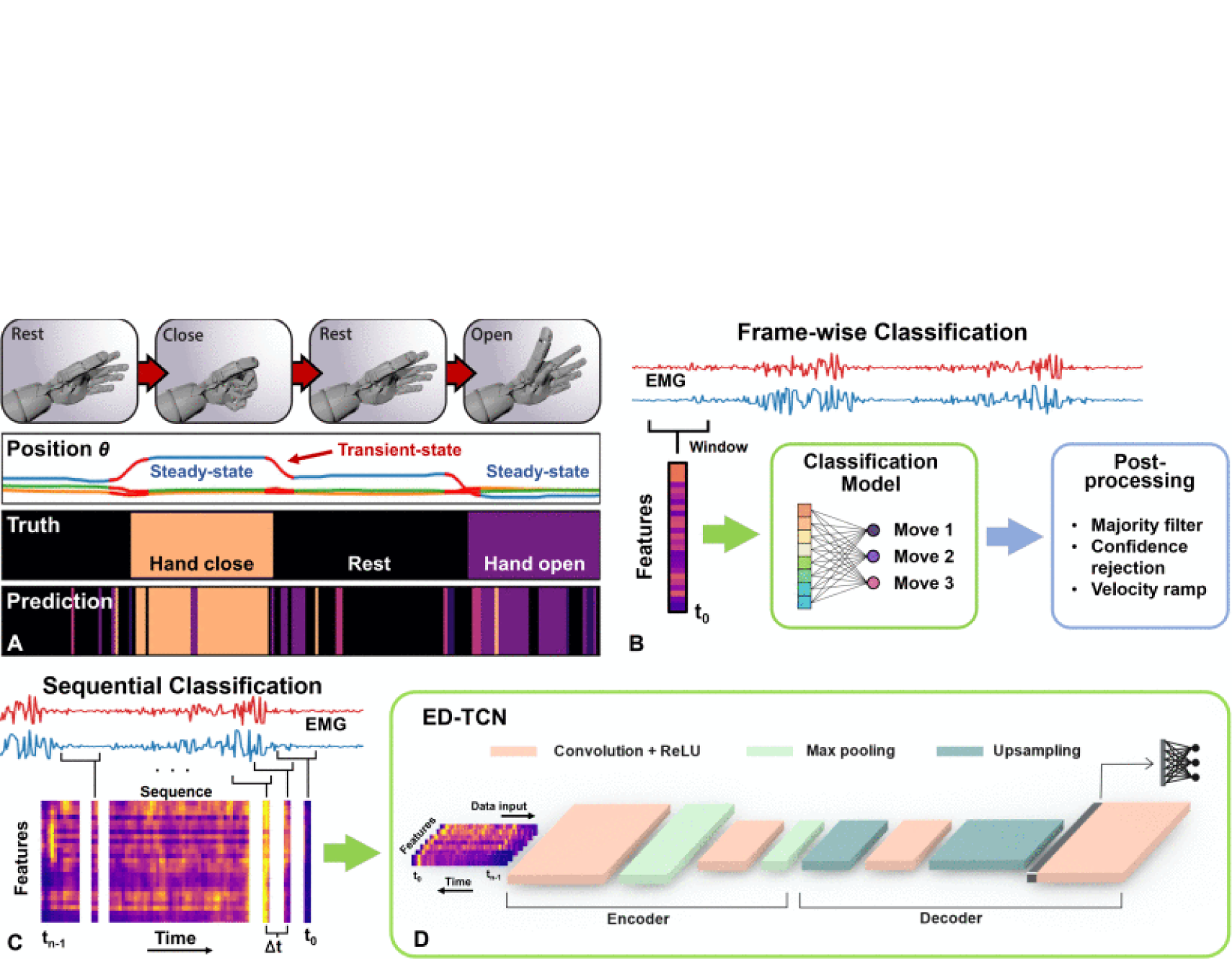
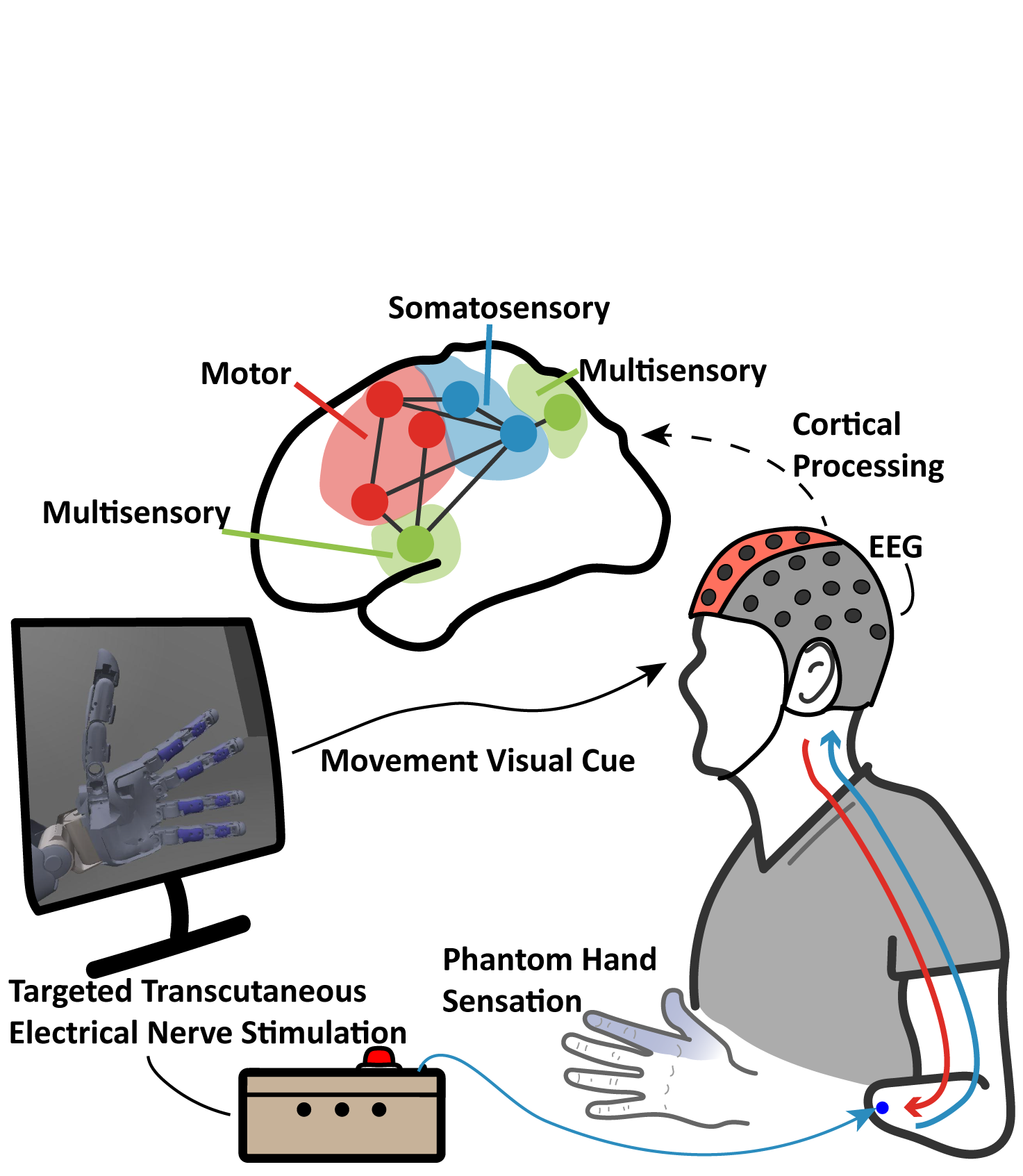
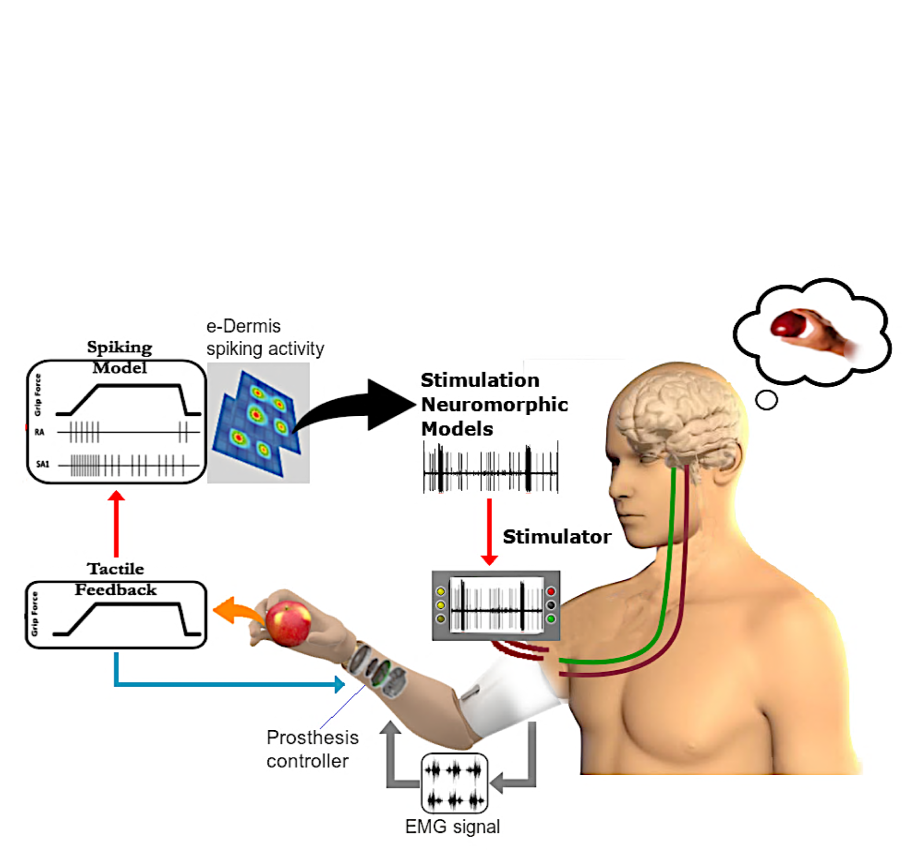
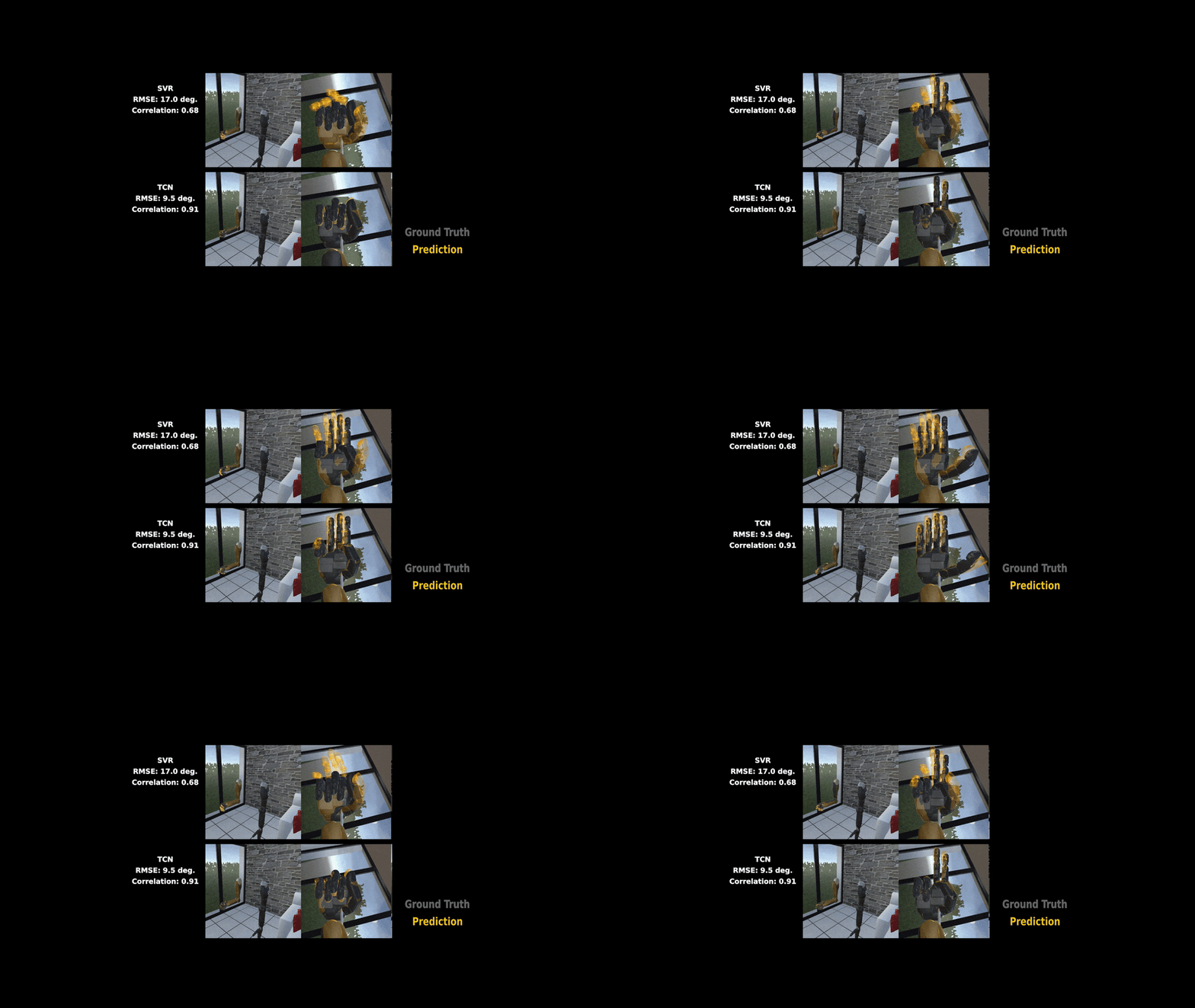
Dr. Thakor's research interests are in developing nstrumentation and methodologies for basic and clinical neuroscience problems. He is currently involved in the basic research and applied technology development to produce the first neutrally controlled dexterous hand prosthesis. Dr. Thakor also has research interests in cellular neuroscience as demonstrated by his collaboration with Arun Venkatesan in Neurology. His trainees, Suneil Hosmane and Rezina Siddique, are working in the area of developing microfabricated devices for neural patterning and regeneration and building novel microfluidic platforms to investigate degeneration in the central nervous system.

Brain Computer Interface


Peter C.M. van Zijl, Ph.D.

Professor, Radiology, Biophysics, Chemistry, Oncology (JHMI)

 
F.M. Kirby Research Center for Functional Brain Imaging

Email: pvanzijl@jhu.edu
Personal Website


Dr. van Zijl's research involves the design of new MRI technology for the study of brain function as well as the understanding of the mechanisms of contrast leading to signal changes in MRI images during functional stimulation. The technological research and development is being done through imaging of brain blood flow and oxygen consumption and by enhancing the fMRI infrastructure. With the help of his trainee Manus Donahue, he developed methods to study brain metabolite levels and metabolic activity are designed, including new methodologies to image cellular content of mobile proteins and peptides. Trainee Issel Lim is developing methods for imaging brain connections and other advanced computational technology to combine the results of all image modalities into a general brain reference frame.


Xiaoqin Wang, Ph.D.

Professor, Biomedical Engineering, Neuroscience, Otolaryngology (JHMI)


Laboratory of Auditory Neurophysiology

Email: xwang@bme.jhu.edu
Personal Website

Luke Johnson is in the process of developing what would be the only current non-human primate cochlear implant model with capability of recording cortical neurons in awake, behaving animals. Dr. Wang's laboratory studies cortical auditory neurophysiology, and employs quantitative methods to characterize species-specific vocalizations. He uses as a model system, the common marmoset, in whom functional and anatomical analyses of connections between auditory cortical fields are obtained. He is interested in the cortical representation of communication sounds (i.e. human speech, primate vocalizations) and constructs computational models of temporal processing in the auditory cortex. A new direction of the lab is to utilize the marmoset as an animal model for cochlear implants. Graduate trainee Luke Johnson is in the process of developing what would be the only current non-human primate cochlear implant model with capability of recording cortical neurons in awake, behaving animals.


Eric D. Young, Ph.D. (NETI Co-Director)

Professor, Biomedical Engineering, Neuroscience, Otolaryngology (JHMI)


Center for Hearing and Balance
Neural Encoding Laboratory

Email: eyoung@bme.jhu.edu
Personal Website


The Neural Encoding Lab studies auditory information representation and processing, in both normal and impaired ears. Complex acoustic signals such as speech, broadband sound-localization stimuli, and complex acoustic scenes are the focus of our work. We study the neural circuits of the cochlear nucleus to build models of synaptic processing there. He has used modeling methods based on system theory and, more recently, information theory to study the representation of complex stimuli in neurons of the cochlear nucleus and the inferior colliculus. Animals with a sensorineural hearing loss, produced by acoustic trauma, are used to study the degraded representation of speech in such ears and to evaluate signal processing strategies for hearing aids. As the former Director of the BME Ph.D. program, Dr. Young brings significant mentoring and program management experience to this training program.